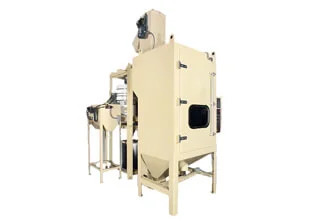
When it comes to cleaning and preparing large surfaces efficiently, shot blasting stands out as one of the most effective methods available. This process plays a crucial role in industrial maintenance, manufacturing, and construction by improving surface integrity and extending material lifespan.
What Is Shot Blasting?
Shot blasting, also called wheel blasting, is a mechanical cleaning process that propels small metallic pellets—known as shots—at high speed using a rotating centrifugal wheel. The machine's motor generates immense kinetic energy, allowing these pellets to strike the surface with force. As a result, contaminants such as rust, mill scale, and paint are removed, leaving behind a clean and textured surface ready for coating or further treatment. Beyond cleaning, shot blasting also strengthens metal by a process known as work hardening, which increases surface durability and resistance to wear.
Shot Blasting vs. Sandblasting
Although often confused with sandblasting, shot blasting is significantly more aggressive. While sandblasting uses compressed air to project fine sand or grit, shot blasting employs denser metallic media and greater impact energy. This makes it ideal for removing thick coatings or preparing large, rugged surfaces such as steel beams, pipelines, or concrete floors. In contrast, sandblasting is better suited for more delicate or precision work that requires lighter surface treatment.
When to Use Shot Blasting
Shot blasting excels in industrial and outdoor applications where heavy-duty cleaning is required. It's commonly used to prepare concrete warehouse floors, parking lots, or structural steel before painting or sealing. However, it's important to note that shot blasting does not create as smooth a finish as diamond grinding. For projects demanding a highly polished surface, grinding may be a more suitable option.
 English